ADVERTISEMENT
What should seniors check before buying a very cheap car?
Inspection and ownership costs can change the value of a deal. Select a guide below to prepare your checks.
Make the Viewing Answer Your Questions

ADVERTISEMENT
Which Part of the Visit Needs Planning?
ADVERTISEMENT
The $1,000 Used-Car Viewing Checklist for Older Drivers
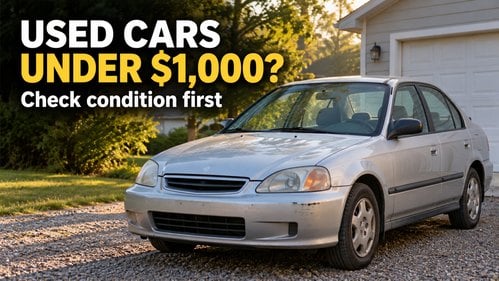
You have found a car advertised for less than $1,000, and the seller says it runs well. The viewing is your chance to determine whether the vehicle deserves further consideration. It is not an obligation to buy.
For an older driver, the right assessment includes physical comfort as well as condition and cost. This checklist helps you structure a U.S. viewing without pretending that a few simple checks replace a mechanic.
Before the Appointment
Confirm the full asking price, location, seller's name, and inspection arrangements. Ask the seller to have the ownership documents and available service records ready.
Arrange to meet in daylight and consider bringing someone you trust. Tell them what you need help with, such as remembering questions or comparing estimates. Their presence should support your decision rather than pressure you into one.
Keep payment separate from the viewing. You can inspect and discuss a car without arriving ready to hand over the full amount.
First Check: Does the Vehicle Fit You?
Open the driver's door and get in at your normal pace. Notice whether the opening, seat height, and available support make the movement comfortable.
Adjust the seat and mirrors. Can you see clearly, reach the controls, and operate the pedals without stretching? Try the seat belt and check whether it sits comfortably.
If you use a walking aid, test the available storage space with permission. Consider whether you could load and unload it during an ordinary trip.
Second Check: Can You Use the Controls Easily?
Look at the display and common controls. Check whether you can read important information and locate the lights, indicators, wipers, and ventilation controls.
Do not assume that a complicated feature will become comfortable once you own the car. Ask for a demonstration, then try it yourself while stationary.
List any adaptation you might need and obtain qualified advice about its feasibility and cost. An improvised cushion or accessory is not a substitute for a properly assessed driving position.
Third Check: Do the Records Match the Car?
Compare the vehicle identification number on the car with the documents. Clarify ownership, any recorded lien, and the transfer process with the relevant state authority.
Review service records as evidence of work performed, not proof that no further repairs are needed. A history report may add context, but gaps and unreported problems can remain.
For a dealer sale, read the Buyers Guide and written warranty information. Private-party transactions can operate under different rules, so do not assume the same documents or protections apply.
Fourth Check: Obtain a Mechanical Assessment
Ask an independent mechanic to evaluate the vehicle before purchase. Explain that your budget is limited and that you need to distinguish immediate safety work from later maintenance.
Request a written estimate identifying the car and the necessary repairs. Ask which findings make it unsuitable to drive and which need further diagnosis.
If the seller refuses reasonable inspection arrangements, consider ending the process. A verbal promise that “it only needs something small” is not an estimate.
Fifth Check: Evaluate an Appropriate Test Drive
Only drive when licensing, insurance, vehicle condition, and permission are in order. Do not test a vehicle a mechanic considers unsafe.
Choose a route that reflects the journeys you expect to make. Notice visibility at junctions, control comfort, and whether the experience feels manageable.
Unusual noises, warning lights, or difficult handling should become questions for the mechanic. Do not diagnose them from a video or accept an explanation solely because the seller sounds confident.
Turn Findings Into a Decision
Create three categories: acceptable as assessed, needs a confirmed repair quote, and reason to stop. This keeps one attractive feature from overshadowing a serious unresolved issue.
Add the purchase price to immediate repairs, taxes, registration, and insurance. If the total exceeds your budget, a lower asking price may still not solve the problem.
You can negotiate from documented findings, but you can also decline. Walking away is a normal result of a careful viewing.
If You Decide to Proceed
Confirm the applicable transfer requirements before payment. Keep copies of the sale agreement, receipts, and written promises. Make sure the final documents identify the same vehicle and agreed amount.
Do not rely on a verbal promise that missing paperwork will arrive later. Resolve uncertainties before completing the transaction.
Make the Viewing Comfortable Enough to Be Useful
Arrange the viewing in daylight and allow enough time to check the car without rushing. Bring your glasses, any mobility aid you normally use, and a companion if you would like another set of eyes. Ask the seller to leave room around the vehicle so you can assess entry, exit, and access to the trunk. These everyday tasks matter as much as a comfortable seat during a brief drive.
Try adjusting the seat, mirrors, steering position, and commonly used controls while the car is stationary. Check whether you can read the displays clearly and reach what you need without stretching. If you regularly carry a walking frame, shopping trolley, or other equipment, confirm that it fits safely. Do not assume two cars of the same general size offer identical access.
After the viewing, record what you noticed before discussing price. Keep personal comfort concerns separate from mechanical findings, because a mechanic's approval cannot make an awkward car suitable for your needs. Likewise, an easy driving position cannot cancel a serious defect. Give yourself time to compare both sets of information. A seller who allows an orderly inspection makes the decision easier, but your own checks and independent advice remain essential before you commit money.
Frequently Asked Questions
Q1: Can a knowledgeable friend replace a mechanic?
A1: A friend can help you notice issues and organize questions, but may not have the equipment or expertise for a complete assessment.
Q2: Is a short successful drive enough?
A2: No. Some defects will not appear during a brief trip. Use the drive alongside records and an independent inspection.
Q3: Should I accept cosmetic damage to save money?
A3: Possibly, but first confirm that the apparent cosmetic issue does not hide structural or safety damage. Ask the inspector.
Q4: What if the seller says someone else will buy immediately?
A4: Do not abandon your checks to meet pressure. A rushed purchase can create costs far beyond the advertised price.