ADVERTISEMENT
Can your budget cover more than the car price?
The purchase price is only one part of getting an older car on the road. Choose an option below to explore the guide.
Keep Enough Money to Make the Car Usable

ADVERTISEMENT
Which Cost Is Still Missing From Your Plan?
ADVERTISEMENT
A $1,000 Car Is Not a $1,000 Budget: Plan the First Month Before Buying
A used car advertised for $1,000 or less can look like a solution to a limited transport budget. But the price paid to the seller is not the amount needed to use the car safely and legally. For an older driver on a fixed income, the important question is whether the whole first month is affordable, including the costs that appear after the keys change hands.
This U.S.-focused guide does not promise that a reliable car is available at that price in your area. Very cheap vehicles may need substantial work, and local taxes, registration rules, and insurance costs vary. Build a budget around a specific vehicle and verified local figures. That gives you a practical way to reject a car that is inexpensive to buy but too costly to use.
Current Used-Vehicle Listings
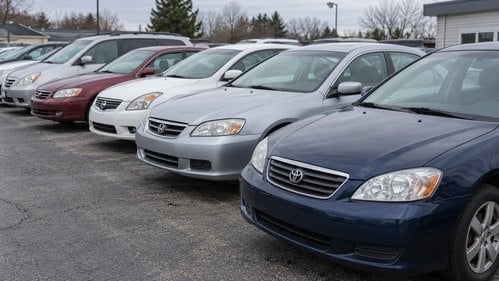
The following vehicles are advertised by one dealer in Lakeland, Minnesota. These are specific listing leads, not independently inspected vehicles or a nationwide selection.
Advertised used vehicles — pages checked October 22, 2026. USD asking prices and seller-reported mileage; taxes and fees may be additional. Confirm availability with the seller before visiting.VehicleYearAdvertised price (USD)Listed mileageSeller and locationListing notesDirect vehicle link
2009 Ford Fusion V6 SEL
2009
$2,995 on vehicle page; $2,495 on inventory page
180,965 miles
Oakdale Auto Sales; 1770 St. Croix Trl South, Lakeland, MN 55043
Published prices differ; request the current written price.
1996 Toyota Corolla, 4-door sedan
1996
$2,995
157,695 miles
Oakdale Auto Sales; 1770 St. Croix Trl South, Lakeland, MN 55043
Automatic; listing describes a 1.6L four-cylinder engine.
2013 Mazda MAZDA5 Sport
2013
$1,995
244,352 miles
Oakdale Auto Sales; 1770 St. Croix Trl South, Lakeland, MN 55043
Automatic; listed as a four-door minivan.
Start With Your Available Cash, Not the Advertisement
Decide how much money you can use for transport without taking funds needed for housing, food, healthcare, or other essentials. Separate that total from the amount you are willing to pay the seller. If the two numbers are identical, you have not yet allowed for startup expenses or unexpected work.
Write down your essential trips: groceries, appointments, visits, or work. Note how often they occur and whether another person relies on the vehicle. This defines what the car needs to accomplish. A low-cost car that cannot reliably make those journeys may not solve the actual problem, even if it runs during a short viewing.
Get Local Startup Figures
Ask the relevant motor-vehicle agency about taxes, title transfer, registration, and any required inspections for the vehicle and transaction. Obtain an insurance quote using accurate vehicle and driver details. Do not rely on the seller's premium or a generic online example, because your cost and coverage needs may differ.
Include any towing or transport needed to move the car legally. If the car cannot be driven home safely or does not meet local requirements, that is a real purchase cost. Keep confirmed figures separate from estimates. An unanswered question should remain visible in the budget rather than being entered as zero to make the total fit.
Use the Inspection to Price the Unknowns
Arrange an independent mechanical inspection before committing. Ask for findings in writing and request an estimate for urgent work. Separate safety-related repairs from maintenance that can reasonably be scheduled later. A vehicle-history report and a current inspection sticker do not replace a mechanic's assessment of the car's present condition.
If the seller refuses a reasonable inspection, consider another vehicle. You do not need to diagnose every defect yourself to decide that the uncertainty is too large. At a very low price, even one significant repair can change the economics. The inspection fee should be treated as part of evaluating the purchase, not as wasted money if it helps you avoid an unsuitable car.
Build a First-Month Total
Add the seller's price, required taxes and fees, initial insurance payment, transport, and immediate repairs. Include a realistic allowance for fuel based on your planned use. Then compare the total with the cash you set aside. If important costs remain unknown, obtain answers before deciding the car fits.
For an illustration, a car priced at $900 with $250 in confirmed startup charges and $400 in urgent repairs already requires $1,550 before other costs. These numbers are an example, not a local price estimate. The point is the relationship: a small advertised price can coexist with a much larger usable-car budget.
Leave Room for a Bad Week
Consider what you would do if the car needed another repair soon after purchase. Is there money left, a dependable alternative ride, or someone who can help you reach essential appointments? You cannot predict every failure, but you can avoid assuming that an old vehicle will require no additional attention.
Do not treat a possible warranty as a substitute for reading its terms. Dealer and private-party transactions differ, and an as-is sale can leave substantial responsibility with the buyer. Ask what is covered, who pays, and what is in writing. A seller's verbal assurance that the car will be fine next month is not a budget line you can rely on.
Compare a Short Delay With a Rushed Purchase
Price the transport options you could actually use while continuing the search. Depending on your location, these might include public transport, community services, scheduled rides, or help from family. Check eligibility, booking requirements, accessibility, and real availability. Do not assume every older adult has access to a free or convenient service.
Compare those costs over a realistic period with the immediate expense of the candidate car. The result may favor buying, waiting, or changing the budget. The purpose is to preserve choice. A temporary arrangement can be valuable if it prevents a rushed purchase that consumes your funds and still fails to provide dependable transport.
Frequently Asked Questions
Q1: Can I spend the entire budget on the advertised price?
A1: Only if you have separately covered all other required costs and can manage future repairs. For most comparisons, keep the purchase price below the total available transport budget.
Q2: Are the example costs typical for every state?
A2: No. They illustrate addition only. Obtain local fees, an insurance quote, and vehicle-specific repair estimates before making a decision.
Q3: Is an independent inspection worthwhile on a cheap car?
A3: It can reveal costs that change the decision. A low price does not make mechanical uncertainty unimportant or guarantee that a vehicle is usable.
Q4: What if no suitable car fits the total?
A4: Consider waiting, adjusting the search, or using verified transport alternatives. Do not erase necessary costs merely to make a listing appear affordable.